
Registering a car in California involves understanding specific requirements and gathering essential documents. This step-by-step guide walks you through the process, ensuring a smooth experience. First, comprehend California’s car registration mandates. Next, collect necessary papers, including proof of ownership and insurance. Perform a Vehicle Identification Number (VIN) verification to ensure accuracy. Visit the DMV to complete the registration application. Pay fees and receive your custom plates. Remember, proper dmv vin verification is crucial for a successful registration.
- Understand California Car Registration Requirements
- Gather Necessary Documents for DMV Visit
- Perform Vehicle Identification Number (VIN) Verification
- Complete Registration Application at the DMV
- Pay Registration Fees and Receive Your Plate
Understand California Car Registration Requirements

Before registering your car in California, it’s crucial to understand the state’s specific requirements. The California Department of Motor Vehicles (DMV) mandates several steps for car registration, including a thorough vehicle inspection and verification of the Vehicle Identification Number (VIN). This process ensures that all vehicles on California roads meet safety and environmental standards.
One key step is the DMV VIN verification, which checks the vehicle’s history and ensures it isn’t stolen or has any outstanding issues. For convenience, many owners opt for a mobile VIN verifier or a mobile vin inspection service, allowing them to complete this process efficiently without visiting a DMV office. This approach streamlines registration and saves time for California residents.
Gather Necessary Documents for DMV Visit
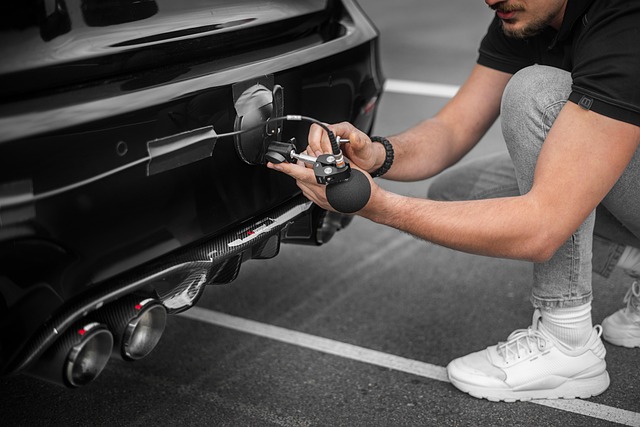
Before heading to the California Department of Motor Vehicles (DMV), ensure you gather all the essential documents required for car registration. This process typically involves verifying the Vehicle Identification Number (VIN) as a critical step in the registration process. You’ll need your vehicle’s registration certificate from the previous state, title, and proof of insurance. Additionally, bringing along your driver’s license and a valid ID is crucial.
For a smoother experience, consider arranging for a mobile vin inspection or using a mobile vin verifier to ensure your VIN is accurate and matches the vehicle’s characteristics. This step can save you time at the DMV as it pre-validates the information, making the registration process more efficient.
Perform Vehicle Identification Number (VIN) Verification

Before registering your car in California, it’s crucial to ensure that your vehicle is genuine and has not been reported as stolen. One critical step in this process is performing a Vehicle Identification Number (VIN) verification. This involves checking the VIN against records at the Department of Motor Vehicles (DMV) to confirm its authenticity. You can do this through various methods, including a mobile vin inspection or using a trusted vin verifier.
A mobile vin inspection service sends a trained professional to your location to conduct a thorough check of the vehicle’s VIN. Alternatively, you can opt for an online or phone-based vin inspection where you provide the VIN and receive a report on its validity. This step is essential in protecting yourself from potential fraud and ensuring that you’re registering a legitimate vehicle.
Complete Registration Application at the DMV

To start the registration process for your car in California, visit a local Department of Motor Vehicles (DMV) office or use their online services. You’ll need to complete a Registration Application form, which can be done either digitally or on paper. This form requires essential details about your vehicle, including its make, model, year, and unique Vehicle Identification Number (VIN). As part of the application, you’ll also undergo a DMV vin verification, ensuring that the information provided matches the vehicle’s official records.
A mobile vin inspection or vin inspection is not always required in California, but it can streamline the process. Many DMV offices offer this service, allowing you to verify your car’s history and ensure all details are accurate. This step is crucial for maintaining compliance with state regulations and ensuring a smooth registration experience.
Pay Registration Fees and Receive Your Plate

After completing your vehicle’s registration application at the California DMV, it’s time to pay the registration fees. These fees vary based on the type of vehicle and its age. You can typically make payment online or in-person at a DMV office. Once your payment is processed, you’ll receive your vehicle’s unique Identification Number (VIN) verification, which is crucial for the next step.
With your VIN in hand, you can proceed to obtain your license plate. California offers both standard and custom plates. For a more personalized touch, consider opting for a custom design, though this may come at an additional cost. Ensure that you display these plates properly on your vehicle, as they are essential for identifying your car and adhering to local regulations. Remember, a mobile VIN verification or vin inspection is not just convenient but also necessary to streamline the registration process.
Registering a car in California is a straightforward process that requires understanding specific requirements and gathering essential documents. By performing a DMV VIN verification, completing the registration application, and paying the necessary fees, you’ll have your vehicle licensed and on the road in no time. Remember to keep your registration up-to-date to avoid any legal issues and ensure a smooth driving experience.