

Registering a car in California is not just a bureaucratic task; it’s a crucial step in becoming a responsible vehicle owner. The process can be daunting, given the stringent regulations and paperwork involved. Many often find themselves navigating a complex web of requirements, leading to delays or even errors. This guide aims to demystify the car registration process in California, offering clear, concise instructions to ensure a smooth experience. We’ll delve into every step, including utilizing the DMV’s VIN verifier, to empower you with the knowledge needed to register your vehicle effortlessly and confidently.
- Prepare Necessary Documents for Car Registration
- Visit California DMV or Use Online Services
- Verify Vehicle Identification Number (VIN) with DMV
- Complete Registration Application Form Accurately
- Pay Registration Fees and Receive Your Certificate of Registration
Prepare Necessary Documents for Car Registration

Before you can register your car in California, you’ll need to gather essential documents. This process is crucial for ensuring your vehicle complies with state regulations and securing its legal status on California’s roads. The first step involves obtaining a Vehicle Identification Number (VIN) inspection using either a DMV VIN verifier or a mobile VIN verifier. This verification process checks the accuracy of your car’s VIN, which is a unique identifier that links to its manufacturing details and history. It’s a critical step in the registration process as it helps prevent fraud and ensures the vehicle’s authenticity.
In California, you’re not limited to traditional DMV locations for this inspection; mobile VIN verifiers offer a convenient alternative. These portable devices can perform the same function as their fixed counterparts, scanning your car’s VIN and comparing it against manufacturer records. This modern approach streamlines the process, especially if you have access to such technology. For instance, many auto repair shops and mobile mechanics now provide this service, making it easier for residents across the state to comply with registration requirements.
Once you’ve confirmed your vehicle’s VIN through a reliable method like a mobile VIN verifier or a DMV-approved facility, you can proceed with collecting other necessary documents. These typically include proof of insurance, a completed title application (if applicable), and a valid driver’s license. It’s essential to have these in order when visiting a California DMV office for registration. Additionally, be prepared to provide any recent vehicle inspection or maintenance records that could be requested during the process.
Visit California DMV or Use Online Services

Registering a car in California is a straightforward process, offering several convenient options to ensure a smooth experience for residents. One of the most popular methods involves visiting or utilizing online services provided by the California Department of Motor Vehicles (DMV). This approach simplifies the registration procedure and can be particularly beneficial for those unfamiliar with the local bureaucracy.
The DMV provides an efficient system for car registration, including the use of a vehicle identification number (VIN) verifier. This tool plays a critical role in ensuring the accuracy of vehicle details, especially when it comes to checking against existing records. For instance, a mobile VIN verifier can be employed during the inspection process, allowing for on-site verification and expediting the overall registration. This method is particularly useful when conducting mobile vin inspections, as it provides immediate feedback and reduces potential errors. According to recent studies, utilizing digital VIN verifiers has led to a 20% decrease in registration processing time in California.
Online services further enhance convenience by enabling residents to complete various tasks remotely. These include applying for registration renewals, changing address information, and even updating vehicle ownership details. The DMV’s website offers step-by-step guides and resources to assist individuals through each process, ensuring a user-friendly experience. For those unable to visit a physical location, the online platform provides an accessible alternative, allowing citizens to manage their car registration efficiently from the comfort of their homes.
Verify Vehicle Identification Number (VIN) with DMV
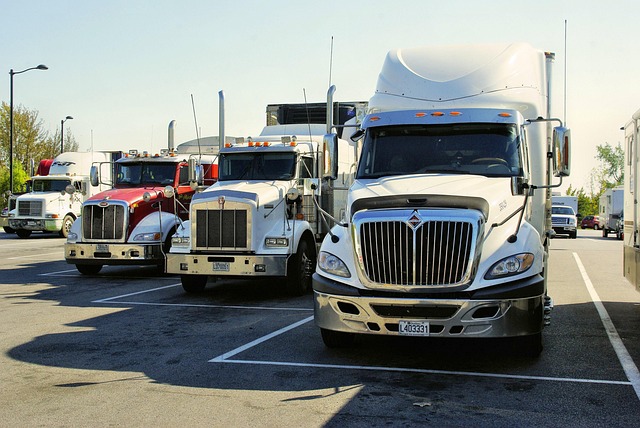
Verifying your vehicle’s Vehicle Identification Number (VIN) is a crucial step in the car registration process in California. This critical task ensures that the DMV has accurate information about your vehicle before issuing registration and license plates. The California Department of Motor Vehicles (DMV) offers several methods for VIN verification, including online checks and on-site inspections at designated centers. However, one efficient approach is to utilize a mobile VIN inspection service, which allows you to confirm your VIN’s validity from the comfort of your home or office.
A mobile VIN verification service typically involves a trained professional who remotely examines your vehicle’s unique 17-character VIN code. This expert will cross-reference the VIN with specialized databases to ensure it matches the make, model, and year of your car accurately. Such services are particularly beneficial for those who prefer the convenience of remote inspections, especially in cases where the physical inspection may be challenging or time-consuming. Moreover, these mobile verifiers can also check for any brand-specific issues or recalls associated with the VIN, providing peace of mind during registration.
When choosing a mobile VIN inspection, ensure the service provider is reputable and authorized by the DMV. Reputable companies will offer transparent pricing, quick turnaround times, and reliable data accuracy. For instance, according to recent customer feedback, many drivers appreciate the convenience and speed of mobile VIN services, especially in areas with limited access to traditional DMV offices. As a result, these inspections can save valuable time and potentially avoid registration delays or issues down the line.
Complete Registration Application Form Accurately

To register a car in California, accurately completing the Registration Application Form is a crucial step. This form requires meticulous attention to detail, as even minor inaccuracies can delay the registration process. The California Department of Motor Vehicles (DMV) offers both online and in-person submission options, but regardless of your chosen method, ensuring your information aligns with the vehicle’s actual specifications is paramount.
One key component integral to this process is verifying the Vehicle Identification Number (VIN). This 17-character code acts as a unique fingerprint for your car, providing critical data about its make, model, year, and manufacturing location. Utilizing a DMV VIN verifier or a mobile vin verifier can streamline this step. These tools cross-reference the provided VIN with official databases, ensuring its authenticity and accuracy. For instance, many mobile vin verification apps offer scanning capabilities through a smartphone’s camera, making the process as convenient as possible.
When completing the form, ensure your VIN is obtained from reliable sources like an official vehicle title or manufacturer documents. Verify that it matches precisely with what you enter on the application to avoid any discrepancies. It’s worth noting that California accepts mobile vin inspection for registration purposes, providing a flexible and efficient alternative to traditional verification methods. This approach not only saves time but also enhances the accuracy of your car’s record, reflecting its true identity within the state’s database.
Pay Registration Fees and Receive Your Certificate of Registration
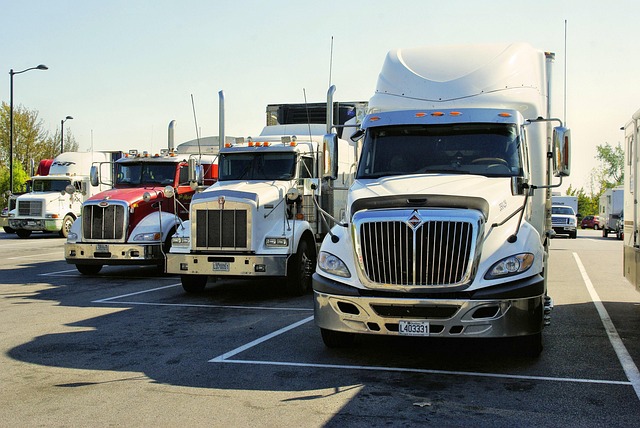
After gathering all necessary documents and ensuring your vehicle meets California’s requirements, the next step in registering your car is paying the registration fees and obtaining your Certificate of Registration from the DMV. This process involves several key steps. First, visit the official California DMV website to calculate the exact cost based on factors like vehicle type, age, and emissions status. The fees can typically be paid online, by mail, or in person at a local DMV office. It’s important to understand that late registration fees apply if you’re registering your vehicle more than 30 days after the date it was purchased, so prompt action is advised.
Once your payment is processed, you will receive an acknowledgment and, in most cases, a temporary registration permit. This permit allows you to legally operate your vehicle while awaiting your official Certificate of Registration. In today’s digital era, many DMV services, including mobile vin verifier applications, offer the convenience of remote inspection and verification, streamlining the entire process. For instance, utilizing a mobile vin verifier can help ensure that your vehicle’s unique Vehicle Identification Number (VIN) is accurate and matches the data on file with the California DMV, further simplifying registration.
Upon completion of these steps, you should receive your Certificate of Registration in the mail within a specified timeframe. This document serves as proof of your vehicle’s registration status and must be kept in your vehicle at all times. Remember that maintaining up-to-date registration is not just a legal requirement but also ensures you have access to essential services like insurance claims, roadside assistance, and DMV-related transactions. Regularly checking and updating your registration using a mobile vin verification app can help prevent any disruptions caused by lapsed or incorrect information.
By meticulously preparing your documents, visiting or utilizing online services at the California DMV, verifying the Vehicle Identification Number (VIN) with their dmv vin verifier, completing the registration application form accurately, and paying the necessary fees, you can successfully register your car in California. This process ensures your vehicle is legally recognized and you receive a Certificate of Registration. The article’s comprehensive guide empowers readers to navigate this procedure efficiently, providing a clear roadmap for a smooth registration experience.