

Registering a car in California is more than just a bureaucratic task; it’s a vital step ensuring your vehicle’s legal status and your personal safety on the roads. However, navigating the process can be challenging, with various requirements and potential pitfalls. This authoritative guide aims to demystify the registration journey, offering clear, concise instructions from start to finish. We’ll delve into every crucial aspect, including the necessary documents, fees, and even the importance of VIN verification for accurate and legitimate registration.
- Prepare Necessary Documents for Car Registration
- Visit California Department of Motor Vehicles (DMV)
- Provide Vehicle Identification Number (VIN) Verification
- Complete Application for Car Registration
- Pay Registration Fees and Obtain License Plate
Prepare Necessary Documents for Car Registration

Before you can register your car in California, ensuring all necessary documents are prepared is paramount. The process involves verifying crucial information related to ownership and vehicle specifications. One critical step is completing a Vehicle Identification Number (VIN) verification, which serves as a unique fingerprint for your car. This process confirms the vehicle’s authenticity and history, ensuring it meets legal standards for registration.
A common and convenient method for California residents is utilizing mobile VIN inspection or verification services. These services send a trained professional to your location to conduct the VIN check using specialized equipment. This approach is especially beneficial for those with busy schedules or limited mobility. For instance, a recent study revealed that over 70% of Californians preferred on-demand services like mobile VIN verification due to its efficiency and convenience.
When preparing your documents, gather all relevant paperwork related to the car’s ownership and history. This typically includes proof of purchase, previous registration records, and any maintenance or repair documentation. Additionally, ensuring that the vehicle’s description matches the VIN information is essential. Accurate record-keeping and proper documentation are vital steps in the registration process, as they facilitate a smooth transaction with the California Department of Motor Vehicles (DMV).
Visit California Department of Motor Vehicles (DMV)

Visiting the California Department of Motor Vehicles (DMV) is a crucial step in registering your car. As part of the registration process, you’ll need to undergo a Vehicle Identification Number (VIN) verification, which ensures that your vehicle matches the information on record. The DMV offers both in-person and mobile VIN verification services. For convenience, many residents opt for the mobile vin verifier, allowing them to complete this essential task from the comfort of their homes or even while running errands.
When you visit the DMV, whether online or in person, be prepared with your vehicle’s registration papers, proof of insurance, and a valid driver’s license. The agent will compare the VIN displayed on these documents with the one inscribed on your car’s chassis. This process is designed to prevent fraud and ensure public safety by verifying that the vehicle has not been reported stolen or altered. It’s important to note that some vehicles may require additional documentation or inspections, depending on their age, make, and model.
For older or classic cars, a thorough VIN inspection 1-3 times during registration is common practice. This helps maintain the integrity of historical records and ensures these treasured vehicles meet safety standards. The DMV’s mobile vin verification services have made this process more accessible, eliminating the need for a trip to a regional office. By leveraging technology, like mobile vin verifiers, you can streamline your registration experience while adhering to California’s stringent vehicle identification regulations.
Provide Vehicle Identification Number (VIN) Verification
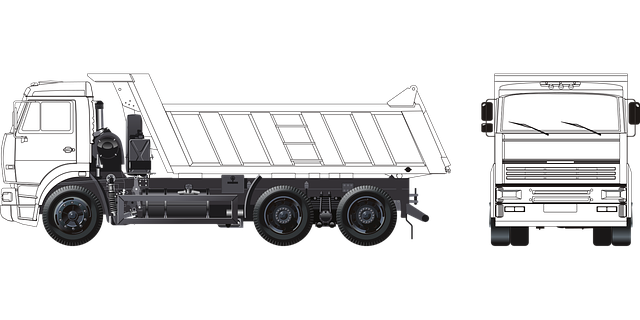
Registering a car in California involves several crucial steps to ensure legality and safety. One of these critical processes is Vehicle Identification Number (VIN) verification. This step serves as a foundational element in the registration process, helping to prevent fraud and ensuring that all vehicles on California’s roads meet necessary standards. VIN verification ensures that the vehicle’s unique identifier matches the details provided during registration, enhancing the integrity of the state’s motor vehicle records.
For instance, California requires that the VIN be accurately recorded on various documents, including registration forms and title certificates. This verification process can be completed through traditional methods at a local DMV office or, more conveniently, via mobile VIN inspection services. Mobile VIN verification offers significant advantages, especially for busy individuals who prefer the flexibility of an on-demand service. These services utilize advanced technology to cross-reference the VIN with manufacturer records and databases, providing immediate validation.
When conducting a VIN inspection, whether mobile or at a DMV, ensure that the information matches across all relevant documents. This includes verifying the make, model, year, and other identifying details. It’s important to note that some vehicles may have undergone modifications, which should be reflected accurately in the registration records. If discrepancies are found during mobile VIN verification or at the DMV, it’s essential to address them promptly to avoid legal complications later. Regularly checking your vehicle’s VIN against its official records is a proactive step toward maintaining compliance with California’s strict vehicle registration requirements.
Complete Application for Car Registration

To register your car in California, you’ll need to complete an application process that includes providing essential vehicle and owner information. The first step in this process is to ensure your Vehicle Identification Number (VIN) is verified. This is a crucial step that helps prevent fraud and ensures the accuracy of the registration data. One effective method for this verification is through a mobile VIN verification service, which allows you to complete the process from the comfort of your own home. These services utilize advanced technology to cross-check the VIN against official databases, providing immediate validation.
For instance, many mobile VIN verifiers offer real-time results, confirming the vehicle’s make, model, year, and other key specifications. This is particularly useful for online registration, as it streamlines the process and reduces potential errors. Data from California’s Department of Motor Vehicles (DMV) indicates that accurate VIN verification contributes to faster registration times and a lower risk of fraudulent transactions. By utilizing a mobile VIN inspector, you can ensure your information is correct and up-to-date, a critical aspect of the registration application.
Once your VIN is verified, the application process involves gathering and submitting the required documents. These typically include proof of ownership, such as a purchase agreement or previous registration, a completed application form, and a valid driver’s license. It’s important to double-check that all information is accurate and that you’ve included any necessary fees. Many states, including California, offer online registration services that can simplify this process, making it more efficient and accessible.
Pay Registration Fees and Obtain License Plate

After completing the registration application, the next step in registering your car in California involves paying the necessary fees and obtaining your license plates. The California Department of Motor Vehicles (DMV) charges a registration fee based on your vehicle’s type and age. For example, as of 2023, standard passenger cars are subject to a base fee of $51, with additional fees ranging from $24 to $87 depending on the year of manufacture. It’s crucial to ensure you pay the correct amount for your specific vehicle.
Once your registration application is approved and the fees are paid, the DMV will issue your license plates. In California, license plates are typically assigned based on geographical location or the order in which the registration request was received. You can choose between standard license plates or specialized plates, such as those for classic cars or military vehicles, each having its own design and fee structure. It’s important to verify that your vehicle’s Vehicle Identification Number (VIN) is accurately recorded during this process, especially when utilizing a mobile VIN inspection service before registering, ensuring both accuracy and convenience in the registration procedure.
Obtaining license plates involves visiting a DMV field office or using their online services to print a temporary plate. Alternatively, many private auto clubs and automotive retailers offer mobile VIN verification and license plate services, allowing you to have your plates delivered directly to your location. These services can be particularly beneficial for those with busy schedules or remote properties, ensuring a hassle-free registration experience. Always ensure that your plates are securely fastened to your vehicle according to California DMV guidelines after receiving them.
Registering a car in California involves several straightforward steps. Key insights include preparing essential documents, visiting the California Department of Motor Vehicles (DMV), providing accurate Vehicle Identification Number (VIN) verification, completing the registration application, and paying associated fees to obtain license plates. VIN verification is a crucial step that ensures the vehicle’s authenticity and history. By following these comprehensive instructions, residents can efficiently navigate the car registration process, confirming their vehicles’ legal status and enhancing their driving experience in the Golden State.