

Registering a car in California is a crucial step for any new owner, ensuring legal compliance and ownership rights. However, navigating the process can be confusing due to its intricate details and paperwork. This comprehensive guide aims to demystify the procedure, offering clear instructions and expert insights. We’ll walk you through each step, from gathering essential documents to completing the online registration, including the vital role of VIN verification in ensuring vehicle authenticity. By the end, you’ll be equipped with the knowledge to register your car smoothly and confidently.
- Prepare Necessary Documents for Car Registration
- Understand California Vehicle Registration Requirements
- How to Verify Vehicle Identity (VIN Verification)
- Choose a California Department of Motor Vehicles (DMV) Office
- Complete the Car Registration Process Online or In-Person
Prepare Necessary Documents for Car Registration

Before registering your car in California, ensuring you have all the necessary documents is paramount. This process involves gathering both standard paperwork and unique identifiers critical for a seamless registration experience. One such vital component is Vehicle Identification Number (VIN) verification, which plays a pivotal role in establishing the authenticity of your vehicle. In California, as in many jurisdictions, mobile VIN verification has emerged as a convenient and efficient method to streamline this crucial step.
For instance, when preparing to register a used car, the buyer must obtain a valid and accurate VIN from the seller. This number is a unique code that identifies specific features and specifications of the vehicle, including its make, model, year, and production details. A mobile VIN inspection service allows both parties to confirm these details remotely, enhancing transparency and trust in the transaction. By utilizing this technology, buyers can ensure they’re receiving a genuine vehicle without the hassle of visiting a physical location.
Additionally, California’s Department of Motor Vehicles (DMV) requires various documents, such as proof of ownership, current registration from another state, or a sales agreement with the seller’s signature. Incorporating mobile VIN verification into this process offers several advantages. It reduces potential errors associated with manual entry, decreases the risk of fraud, and accelerates overall registration turnaround time. It’s advisable to check the DMV’s website for the most up-to-date list of required documents and guidelines specific to California car registration.
Understand California Vehicle Registration Requirements
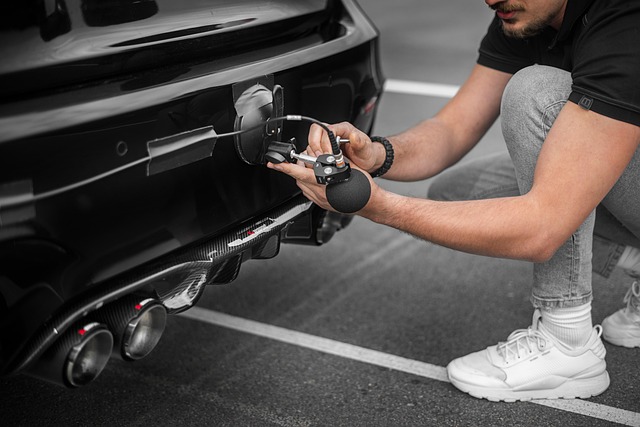
To register a car in California, understanding the state’s specific vehicle registration requirements is paramount. The process involves several crucial steps, with VIN (Vehicle Identification Number) verification playing a central role. In California, all vehicles must undergo a thorough inspection to ensure they meet safety and environmental standards before receiving registration approval. This includes checking the vehicle’s emissions system, lights, brakes, tires, and other critical components.
One of the innovative aspects of California’s system is the integration of mobile VIN verificators. These tools allow for remote and efficient verification of a vehicle’s history and condition by scanning the unique 17-character VIN. This process streamlines the initial registration steps, making it easier for both consumers and automotive professionals. For instance, some mobile apps offer not only VIN verification but also access to detailed vehicle history reports, helping buyers make informed decisions. By leveraging technology like mobile VIN inspection tools, California aims to enhance transparency and efficiency in its vehicle registration processes.
As part of the registration process, California requires original documents such as proof of ownership, a valid driver’s license, and payment for registration fees. It’s essential to have accurate and up-to-date information about your vehicle, including its make, model, year, and VIN, which can be verified through a mobile VIN verifier. Moreover, if you’re importing a car or transferring ownership, additional forms and documentation may be necessary. For instance, the California Department of Motor Vehicles (DMV) provides detailed guidelines on what’s required for various scenarios, ensuring a smoother registration process. Regularly checking these requirements and utilizing available resources like mobile VIN verification tools can help streamline your vehicle registration in California.
How to Verify Vehicle Identity (VIN Verification)

Verifying a vehicle’s identity through its Vehicle Identification Number (VIN) is a crucial step in the car registration process in California. This meticulous process ensures that the vehicle in question is genuine and has not been reported stolen or had its history tampered with. VIN verification, often conducted by mobile vin verifiers, plays a pivotal role in maintaining the integrity of the state’s automotive registry.
In California, VIN inspection is typically carried out during the registration renewal process. A mobile vin inspector will physically examine the vehicle and cross-reference the VIN with databases to gather critical information about its past ownership, accident history, and whether it has met all safety standards. This meticulous check ensures that the car’s documentation aligns with its physical attributes, preventing fraudulent activities such as title washing or using salvage parts without disclosure. For instance, a 2015 study by the California Department of Motor Vehicles (DMV) revealed that approximately 5% of vehicles inspected had discrepancies in their records, highlighting the importance of robust VIN verification procedures.
To ensure a smooth process, vehicle owners should gather all necessary documents related to the car’s history before scheduling a mobile vin inspection. This includes the title, registration papers, and any repair or maintenance records. Additionally, having a clear understanding of California’s specific requirements for VIN verification can help expedite the registration process. By adhering to these procedures, car owners not only facilitate efficient registration but also contribute to a safer and more transparent automotive market in the Golden State.
Choose a California Department of Motor Vehicles (DMV) Office

When registering your car in California, selecting the right Department of Motor Vehicles (DMV) office is a crucial step in the process. The DMV offers both in-person and online services, but for many, visiting an actual office remains the most efficient option. Each DMV location is equipped to handle standard registration tasks, but their capabilities regarding VIN verification can vary. It’s essential to choose one that facilitates a smooth and quick VIN inspection, especially as this process plays a vital role in ensuring vehicle authenticity during registration.
California’s mobile VIN verifier services have gained popularity due to their convenience and efficiency. These mobile units can perform on-site VIN inspections, allowing you to complete your car registration without leaving the DMV office or waiting for separate appointments. This is particularly useful when dealing with rare or classic cars that may require specialized knowledge for accurate VIN verification. Moreover, some mobile VIN verification services offer real-time data checks, ensuring any potential discrepancies or fraud are immediately apparent.
When visiting a DMV office, consider its reputation and the feedback from previous customers. Check if the location has a dedicated team for VIN inspections to avoid lengthy delays. Additionally, inquire about their procedures for handling unique vehicles or those requiring special considerations during the registration process. A well-equipped and experienced staff will streamline your registration experience, especially when dealing with intricate vehicle details or historical car documentation.
Complete the Car Registration Process Online or In-Person

Registering a car in California involves a straightforward process, whether you choose to complete it online or in person at a DMV office. Online registration offers convenience and speed, allowing you to avoid waiting times and navigate the paperwork from the comfort of your home or office. Simply gather your necessary documents—such as proof of identity, vehicle ownership, and insurance—and create an account on the California DMV website. Fill out the application form, double-check your information for accuracy, and submit your request. The DMV will then process your application, perform a VIN verification to ensure the vehicle’s authenticity, and issue your registration certificate, which you can print or download for future reference.
Alternatively, if you prefer an in-person approach, visiting a local DMV field office is the traditional method of car registration in California. Bring along all required documents, including your driver’s license, proof of insurance, and vehicle registration from your previous state (if applicable). A DMV representative will guide you through the process, which includes a visual inspection of your vehicle to confirm its condition and a detailed check of your paperwork. For added convenience, some mobile VIN inspection services are available, allowing you to get the necessary verification done quickly at your location. These services employ professional inspectors who can perform a comprehensive VIN check, ensuring that your vehicle’s history is accurately represented.
Whichever method you choose, ensure that all information is accurate and complete to avoid delays or issues down the line. Timely registration not only keeps your vehicle legal but also ensures you’re protected by California’s motor vehicle laws and regulations. Remember, maintaining up-to-date registration is a crucial aspect of responsible car ownership, ensuring both safety and compliance with local regulations.
Registering a car in California involves several crucial steps, from gathering essential documents to completing the registration process either online or in-person. Key takeaways include the importance of understanding state requirements and properly verifying your vehicle’s identity through VIN verification. Whether you choose to navigate the process at a DMV office or manage it digitally, having these foundational elements in place ensures a smooth experience. Moving forward, prioritize organizing necessary paperwork, confirming your vehicle’s details, and selecting the most convenient registration method to fulfill this essential task efficiently.