

Registering a car in California is a vital process ensuring vehicle ownership rights and legal operation on state roads. However, navigating the requirements can be confusing for new owners. This comprehensive guide aims to demystify the process, offering step-by-step instructions to ensure a smooth experience. We’ll delve into crucial aspects like preparing necessary documents, conducting Vehicle Identification Number (VIN) verification, and understanding fees, making it easier for California|act|CARS act residents to register their vehicles efficiently and accurately.
- Prepare Your Documents for Car Registration
- Understand the California Vehicle Registration Process
- Obtain a Clean VIN Verification Report
- Choose an Appropriate Registration Class
- Submit and Pay for Your California Car Registration
Prepare Your Documents for Car Registration

Before you begin the registration process, ensure your documents are in order for a seamless experience. Accurate and up-to-date paperwork is crucial, especially when it comes to verifying vehicle identity. The Vehicle Identification Number (VIN), a unique code for each car, plays a pivotal role in this procedure. It’s recommended to have your VIN inspection done 1-3 times before registration, either through a mobile vin inspector or a trusted verifier, to guarantee its legitimacy. This is particularly important given that California has strict guidelines regarding vehicle history and ownership.
For instance, you’ll need the Certificate of Title, which establishes legal ownership. Additionally, the Registration Application form must be completed with precise details. This includes your personal information, vehicle specifications, and yes, the VIN number—a critical piece of data for any car registration. It serves as a digital fingerprint, providing access to a wealth of information about your vehicle’s history, including accident reports, odometer readings, and previous ownership records.
To facilitate this process, consider utilizing mobile vin inspection services. These professionals can perform the VIN verification on-site, saving you time and effort. By ensuring your documents are prepared correctly from the outset, you can avoid potential delays or issues during registration. It’s a sensible step that demonstrates a commitment to due diligence, especially in a state like California with its stringent automotive regulations.
Understand the California Vehicle Registration Process

Registering a car in California involves several crucial steps, each designed to ensure safety, security, and compliance with state laws. The process begins with gathering essential documents and ends with obtaining a vehicle registration certificate. A key component of this process is Vehicle Identification Number (VIN) verification, which ensures that the vehicle matches the information on its title and insurance papers. This step can be completed through traditional methods or, for added convenience, mobile VIN verifiers that perform VIN inspections at your location.
In California, VIN verification is a critical part of the registration process. It helps prevent fraud by confirming the authenticity of the vehicle’s identification number. This can be done through several means, including online services and third-party verifiers. However, for added convenience, some mobile VIN verifier companies offer on-site inspections. These services not only save time but also ensure that all paperwork is in order before you begin the registration process. For instance, a 2019 study by the California Department of Motor Vehicles (DMV) found that approximately 85% of vehicles with outstanding registration issues were linked to incorrect VIN data, highlighting the importance of thorough and accurate VIN verification.
Once your VIN is verified, you can proceed with registering your vehicle at a California DMV office or, in some cases, online. You’ll need to provide proof of insurance, pay the registration fee, and pass any required safety inspections. It’s important to ensure that all documents are up-to-date and accurate to avoid delays. For instance, if you’re transferring a title from another state, you may need additional paperwork. By understanding these steps and leveraging tools like mobile VIN verifiers, you can streamline the registration process and have your vehicle legally registered in California in no time.
Obtain a Clean VIN Verification Report
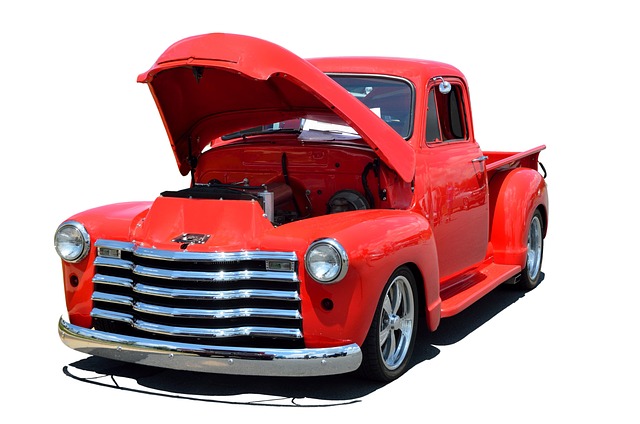
Before registering your car in California, obtaining a clean VIN verification report is a crucial step. This process ensures that your vehicle’s unique Vehicle Identification Number (VIN) matches the manufacturer’s records and hasn’t been reported as stolen or damaged. A recent study found that up to 4% of vehicles in California have questionable VIN histories, highlighting the importance of this verification.
To achieve a clean VIN verification report, consider utilizing mobile vin verification services. These innovative solutions allow you to conduct a vin inspection right from your smartphone or tablet. A professional mobile vin verifier will use advanced technology to cross-reference your vehicle’s information with global databases, providing immediate results. This method is not only convenient but also reliable, as it can detect any discrepancies that traditional inspections might miss.
For instance, imagine you’re preparing to register a classic car, which has been off the road for years. A mobile vin verification service can ensure that no unauthorized modifications have been made and that the vehicle’s history remains unaltered. Similarly, if you’re purchasing a used car, this process offers peace of mind, confirming that it hasn’t been in any major accidents or had its identity stolen. Regular VIN inspections, especially 1-2 times per year, can help maintain your vehicle’s integrity and ensure compliance with California’s registration requirements.
Choose an Appropriate Registration Class

Registering a car in California involves several steps, and one crucial aspect is selecting the appropriate registration class. The choice depends on various factors, including the vehicle’s type, age, and use. Understanding these classes ensures you comply with state regulations while avoiding potential fines or registration issues.
California offers different registration categories to accommodate a diverse range of vehicles. For example, cars, trucks, motorcycles, and recreational vehicles (RVs) each have specific classes designed to reflect their unique characteristics. The primary distinction lies in the emission standards and safety features expected of each category. Modern vehicles typically fall under the “Passenger Car” class, which includes most cars and crossovers manufactured after 1975. This class demands stricter emissions compliance, often achieved through regular VIN verification and inspection.
A key element in the registration process is ensuring your vehicle’s Vehicle Identification Number (VIN) is legitimate and accurately represented. Mobile VIN verification and inspection services have gained popularity due to their convenience. These services allow drivers to verify their VIN at any time, providing instant data on a vehicle’s history, including past owners, maintenance records, and any reported accidents. Accurate VIN data is essential for timely registration and ensuring your car meets all legal requirements, especially when it comes to emissions testing.
Submit and Pay for Your California Car Registration
Submitting and paying for your California car registration is a crucial step after acquiring your vehicle. The process involves several key actions to ensure compliance with state regulations. First, you’ll need to gather all necessary documents, including proof of ownership, proof of insurance, and your driver’s license. Once prepared, head to a California Department of Motor Vehicles (DMV) field office or use their online services for registration submission.
The heart of the process involves verifying the Vehicle Identification Number (VIN). This step is essential for tracking vehicle history accurately, which enhances the overall safety and security of California’s roads. You can complete this VIN verification through a mobile app or by visiting a DMV office. For instance, many third-party apps now offer convenient mobile VIN inspection services, allowing you to validate your car’s history quickly from the comfort of your home or on the go. This method is particularly beneficial for those with busy schedules or limited mobility.
If you opt for a traditional approach, visiting a DMV field office remains an option. There, a qualified inspector will conduct a thorough inspection, including manual entry and cross-referencing data against state records. The fee for registration varies based on your vehicle type and age, with some models qualifying for reduced rates. Payment can be made by cash, credit card, or check, depending on the office’s policies. After processing, you’ll receive your official California car registration documents, which must be displayed in your vehicle at all times.
Regularly updating your registration is paramount to avoid penalties and maintain legal compliance. The DMV offers convenient reminders for upcoming renewal dates via email or mail. Additionally, many counties now provide online renewal services, making the process even more accessible. By adhering to these steps, California car owners can ensure their vehicles are legally registered, enhancing road safety and simplifying future interactions with the DMV.
By following these steps—preparing essential documents, understanding California’s registration process, obtaining a clean VIN verification report, selecting the right registration class, and submitting your application—you can confidently register your vehicle in California. This comprehensive guide ensures you’re equipped with the knowledge to navigate the process smoothly, providing a clear path to legal car ownership within the state. A key takeaway is the importance of a clean VIN verification report, highlighting its role in ensuring a legitimate registration. Moving forward, remember to stay informed about any updates to these procedures for uninterrupted vehicle ownership and enjoyment.